Exploring the Latest Trends in Cooling Tower Technology
There have
been many advancements in cooling tower technology in recent years, and this is
mainly due to the increasing need for energy efficiency and sustainability.
Industries such as power plants, petrochemicals, manufacturing, HVAC, and
process industries are looking for innovative cooling tower solutions that can
lower operational costs and improve reliability.
Companies
such as Encon Group are using innovative cooling tower technologies that
incorporate new materials, aerodynamic designs, and smart engineering
techniques to cater to the growing needs of the global industry. It is
important for businesses to stay updated on the latest trends in cooling tower
technology.
1. Energy-Efficient Axial Flow Fans
The most
important development in cooling tower technology is the emergence of
energy-efficient axial flow fans. The latest FRP fan blades are designed on
aerodynamic principles that enhance airflow and minimize power consumption.
The latest
fan designs incorporate optimized blade angles, light weight, and balanced
designs that minimize motor load and vibrations. This results in reduced
electricity consumption and improved mechanical life. Energy-efficient fan
designs have become a major focus area for industries seeking to minimize
operational costs.
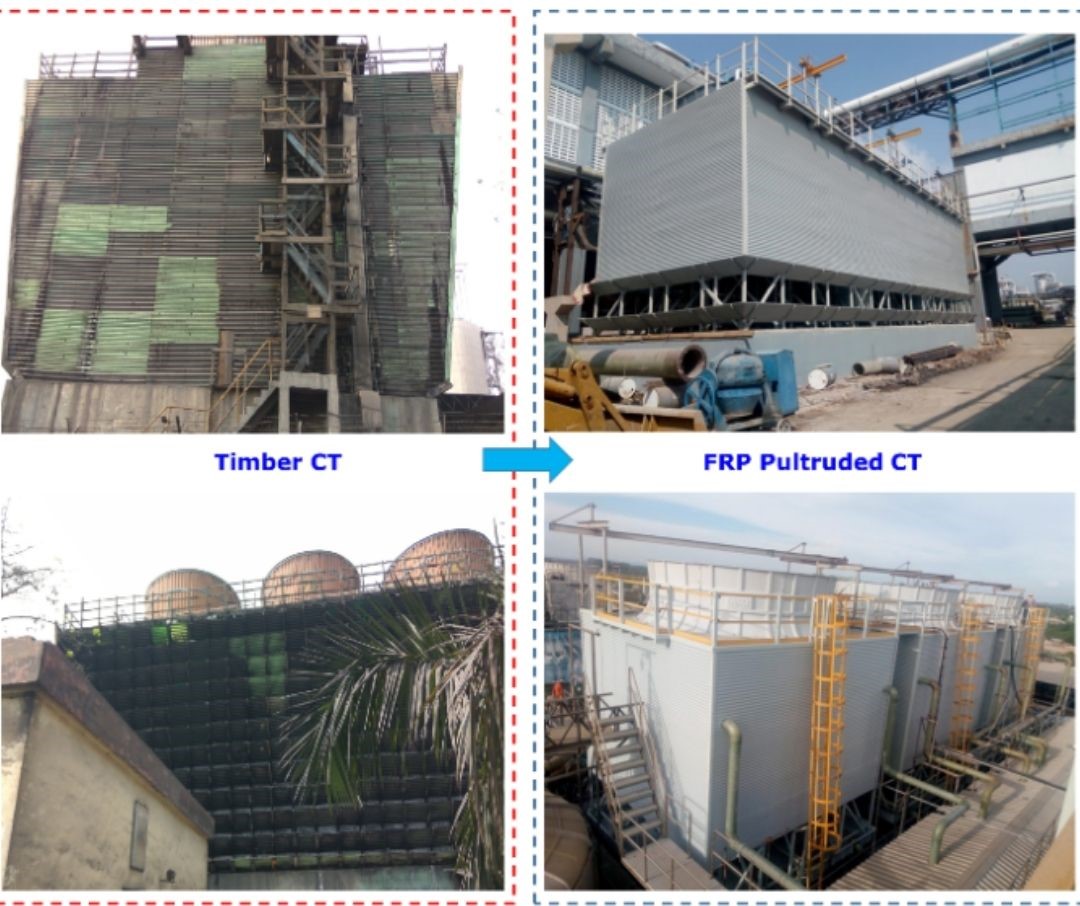
2. Advanced FRP Construction
Conventional
cooling towers constructed of wood or steel are vulnerable to corrosion,
scaling, and damage. The trend in the industry is to move towards FRP-based structures,
which possess enhanced durability and the ability to withstand adverse
environmental conditions.
Lightweight,
corrosion-resistant, and low-maintenance FRP cooling towers function admirably
in chemically aggressive environments like petrochemical plants and near
coastal areas. The use of advanced composite materials has resulted in a
substantial increase in the life of the equipment.
3. Improved Fill Media Technology
Fill media
is an important factor in achieving maximum heat transfer efficiency. Advanced
cooling towers employ advanced PVC or engineered fill media that enhances the
water-air interface area.
Improved
fill media technology enhances cooling efficiency with lower pressure drop.
This leads to improved thermal efficiency and lower fan power consumption.
Improved fill media technology is a direct factor in achieving lower energy
consumption and optimized system performance. 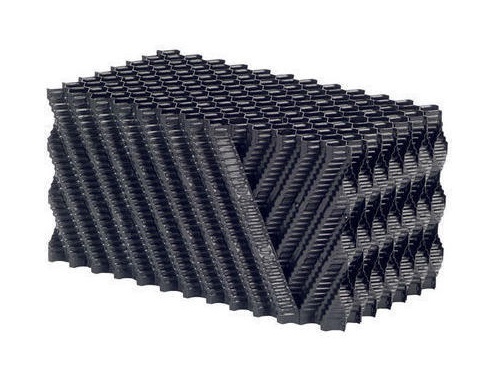
4. Water Conservation and Drift
Reduction
As the world
shifts its attention to water conservation, the design of cooling towers is
being optimized to conserve water. Modern drift eliminators are being used to
reduce drift, which in turn prevents water wastage.
Modern water
distribution systems are being designed to provide even water distribution,
reducing dry spots and increasing the efficiency of heat rejection. Some plants
are also adopting better water treatment practices to reduce scaling,
corrosion, and biological fouling.
Water-conserving
designs not only help conserve water but also assist industries in adhering to
environmental regulations.
5. Modular and Custom Engineered
Designs
The current
industries require flexible solutions that can be adapted to their operational
requirements. The modular cooling tower design makes it easier to transport,
install, and expand in the future.
The
field-erected cooling tower is still a vital component for large industries
that require a high cooling capacity. Custom-engineered designs ensure that the
cooling tower is designed based on the site conditions and space available.
6. Noise Reduction Technologies
Noise
reduction has emerged as an important consideration, particularly for cooling
towers situated near residential or commercial zones. Contemporary cooling
towers feature noise-reduced fan technology, vibration-dampening parts, and
aerodynamic fan systems.
Aerodynamically
configured fan stacks and balanced fan packages work to reduce noise levels
without affecting system performance.
7. Smart Monitoring and Predictive
Maintenance
The future
of cooling towers is directly associated with smart monitoring systems.
Industries are increasingly using performance monitoring systems that monitor
the levels of vibration, temperature differences, energy usage, and airflow
rates.
Predictive
maintenance software helps in identifying potential problems before they cause
significant breakdowns. This minimizes down time and repair costs. The
integration of monitoring systems with cooling towers enables managers to make
informed decisions.
8. Emphasis on Lifecycle Cost
Optimization
Instead of concentrating
on investment costs, there is a growing need to consider lifecycle costs. The
latest cooling tower technology is based on longevity, energy efficiency, and
easy maintenance.
FRP
construction, efficient fans, optimized fill, and quality mechanical parts help
in lowering lifecycle costs. The industry is witnessing the development of
systems that can perform well for several decades.
Conclusion
Cooling
tower technology is moving towards increased efficiency, sustainability, and
reliability. Energy-saving axial flow fans, FRP materials, advanced fill media,
water-conserving designs, modular engineering, and intelligent monitoring
systems are the key drivers for the future of cooling technology.
Staying
updated on the latest trends and collaborating with experienced manufacturers
such as Encon Group can help businesses upgrade their cooling technology and
improve their performance while lowering energy and maintenance expenses.
The adoption of advanced cooling tower
technology is more than an upgrade; it is a step towards a sustainable future
for industries.